Understanding the Value of Routine Pest Control Services for Long-Term Prevention
Routine pest control services play a necessary role in preserving a safe and healthy and balanced setting. They deal with the health risks linked with pests and minimize financial losses due to invasions. By utilizing specialist techniques and techniques, residential property owners can properly take care of pest issues. However, recognizing the underlying factors that add to pest issues is crucial. This knowledge can bring about more efficient avoidance methods and lasting solutions. What techniques can boost these initiatives?
The Health Threats Associated With Pests
Many might view bugs as simple annoyances, their existence presents significant wellness dangers that can impact people and areas alike. Pests such as rats, cockroaches, and insects are understood carriers of numerous conditions. Rats can transfer hantavirus and leptospirosis, while cockroaches may aggravate bronchial asthma and allergic reaction signs. Insects are notorious for spreading West Nile virus and Zika infection, resulting in possibly serious health and wellness issues.
In addition to direct disease transmission, pests can pollute food sources and living environments, additionally jeopardizing public health and wellness. The droppings, saliva, and lost skin of these insects can introduce irritants and microorganisms, contributing to a decline in general health. Prone populaces, such as kids and the elderly, are particularly at danger. Understanding and dealing with the wellness effects of pest invasions is crucial for maintaining area health and wellness and safety and security, underscoring the value of efficient pest control services.
The Economic Effect of Pest Infestations
Pest infestations prolong beyond carcinogen, considerably affecting the economic situation at various levels. Businesses, particularly in the food, friendliness, and agriculture service fields, deal with significant economic losses as a result of pest-related damages and contamination. Plant destruction from insects can lead to decreased returns, impacting supply chains and driving up food rates. In addition, the expenses connected with pest control procedures, consisting of hiring pest control experts and applying preventative techniques, can stress allocate local business.
Residential or commercial property worths may also decline when problems become noticeable, causing lowered financial investment in affected locations. Additionally, the indirect financial effects include shed efficiency because of ailment or interruption amongst workers handling pest issues. Collectively, these elements highlight the necessity of aggressive pest management, as the financial implications of infestations can surge through entire areas, eventually affecting nationwide and local economic climates.
The Duty of Regular Assessments in Prevention
Routine inspections play a crucial function in pest prevention by facilitating very early detection of infestations prior to they intensify. These analyses provide an extensive introduction of the residential property, recognizing vulnerabilities that may bring in pests. By focusing on examinations, residential or commercial property owners can execute proactive measures to safeguard their spaces successfully.
Very Early Discovery Advantages
Consistent examinations can substantially boost the performance of pest control efforts. By carrying out normal assessments, homeowner can determine prospective invasions prior to they rise into even more substantial problems. Early discovery enables prompt intervention, lowering the possibility of substantial damage and pricey repairs. In addition, regular inspections help in keeping track of pest activity, allowing experts to customize their techniques successfully. This proactive strategy not only safeguards structures yet additionally adds to a healthier living environment by minimizing the danger of illness transmission connected with pests. Furthermore, constant checks promote a much deeper understanding of pest behavior, helping in the advancement of long-lasting prevention approaches. Eventually, very early detection through regular inspections is important to maintaining pest-free properties.
Comprehensive Home Evaluation
A complete residential property assessment plays an essential function in the avoidance of pest problems. Routine evaluations enable pest control experts to identify prospective access factors and favorable problems that might encourage pest task. By evaluating structural susceptabilities and keeping track of ecological factors, experts can carry out proactive procedures to reduce threats prior to problems intensify. Substantial assessments additionally include reviewing the landscape and surrounding locations for indications of pest activity. This holistic approach assurances that not only are existing issues addressed, but future problems are expected and avoided. Ultimately, regular building assessments work as a critical part of an efficient pest administration approach, giving and securing residential properties satisfaction for home owners and businesses alike.
Comprehending Pest Life Cycles
Recognizing pest life cycles is vital for reliable pest control techniques. By examining recreation patterns, seasonal task adjustments, and the different stages of growth, one can get beneficial insights into pest behavior and population dynamics. This knowledge makes it possible for a lot more targeted and timely interventions to manage infestations.
Pest Reproduction Patterns
As pest populations expand, their reproduction patterns become essential for effective pest control methods. Comprehending these patterns help in anticipating problems and carrying out prompt interventions. Various parasites exhibit distinctive reproductive behaviors; for example, rodents might breed year-round, producing several trashes with several spawn per litter, while bugs like cockroaches might duplicate quickly under desirable conditions. Additionally, some parasites, such as termites, have complicated life cycles including abounding stages that can result in sudden populace spikes. Recognizing these reproductive attributes enables pest control professionals to devise targeted techniques, making sure that treatments interrupt the lifecycle at critical points. This expertise is essential for keeping lasting pest management and avoiding recurring infestations, thereby safeguarding properties and public wellness.
Seasonal Task Changes
While lots of parasites are energetic year-round, their actions and populaces vary with the changing periods, considerably affecting pest control methods. In springtime, warmer temperature levels and increased wetness bring about increased activity among bugs, including ants and termites, which start their foraging and nesting procedures. Summer season typically sees a top in pest populations, as problems continue to be favorable for recreation and development. As autumn methods, some bugs might look for shelter indoors, triggering homeowner to take safety nets. Wintertime brings a decline in activity for several species, however specific bugs, like rats, come to be more problematic as they look for food and warmth. Understanding these seasonal adjustments is necessary for efficient check here pest monitoring and long-lasting prevention methods.
Life-span and Advancement Stages
The life-span and advancement stages of bugs play an important role in establishing reliable pest control strategies. Comprehending these life cycles is crucial for determining suitable intervention times. Most insects undergo a number of phases, including egg, larva, pupa, and adult, each with unique susceptabilities. Targeting larvae might show much more efficient than treating adult parasites, as they typically feed much more boldy and are less mobile. Additionally, some bugs might duplicate rapidly, causing population explosions otherwise handled promptly. Knowledge of seasonal patterns and environmental influences on pest advancement can further improve control measures. By straightening pest control initiatives with these biological understandings, property owners can attain lasting prevention and reduce future infestations
The Advantages of Expert Pest Control Services
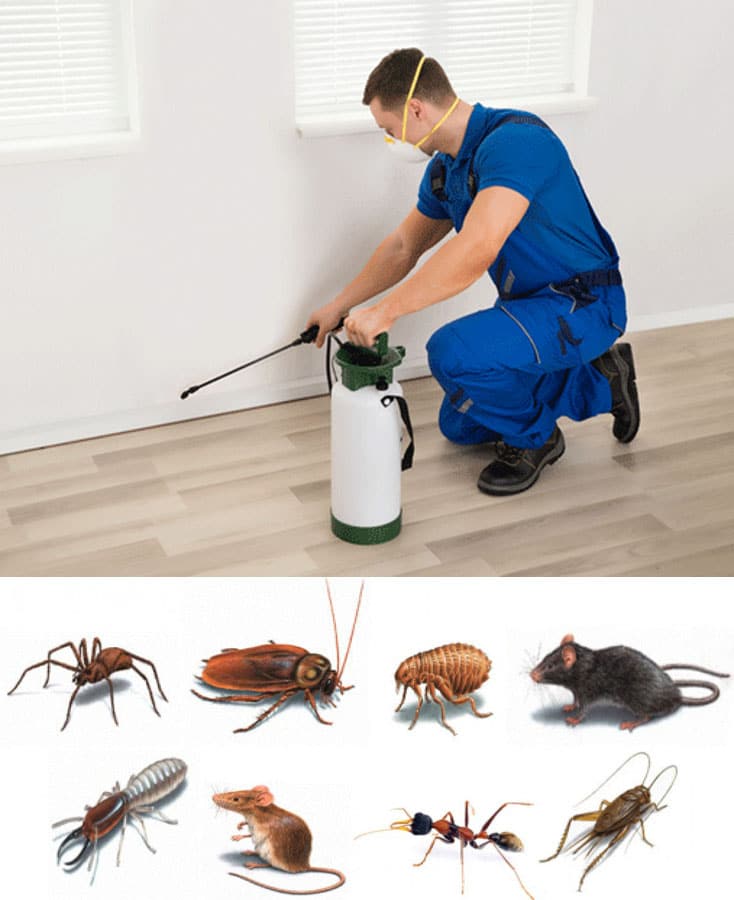
Specialist pest control services provide numerous benefits that prolong beyond mere removal of pests. One substantial benefit is the competence these specialists offer the table. Trained service technicians can precisely identify pest varieties and the level of problems, enabling for tailored remedies. Furthermore, they utilize advanced strategies and products that are commonly much more reliable than over the counter alternatives.
Regular pest control services add to lasting prevention. By executing aggressive procedures, experts can assist keep a pest-free atmosphere, minimizing the chance of future invasions. This not just safeguards buildings but likewise enhances the overall wellness and safety of citizens.
In addition, professional pest control services save time and offer satisfaction, as property owners can rely upon experts to take care of the situation efficiently. Ultimately, these services typically consist of follow-up sees and tracking, making sure that pest control initiatives stay efficient over time. Generally, the benefits of professional pest control are complex and substantial.
Eco-Friendly Pest Control Solutions
As understanding of ecological issues expands, several property owners seek pest control services that lessen damage to the ecological community. Eco-friendly pest control remedies use safe and natural methods to handle invasions, decreasing dependence on chemical pesticides that can detrimentally impact wellness and the environment. Techniques such as organic control, which includes presenting all-natural killers to target bugs, and making use of essential oils, are acquiring appeal for their efficiency without dangerous adverse effects.
Furthermore, incorporated pest administration (IPM) methods highlight prevention via habitat adjustment, making certain that conditions are much less favorable to pest problems. These remedies advertise long-lasting sustainability by concentrating on ecological equilibrium instead of short-lived fixes. By adopting eco-friendly techniques, home owners not only safeguard their home from insects but also add to a healthier planet. This growing fad mirrors a dedication to environmental stewardship while making certain efficient pest control.
Producing an Extensive Pest Administration Strategy
While managing pest populations can seem tough, creating a thorough pest monitoring plan is important for long-lasting success. A thorough plan commonly begins with an analysis of the pest issue, identifying varieties, and understanding their actions and life process. Next off, it must outline safety nets, such as boosting cleanliness, securing access points, and utilizing habitat alterations to deter insects.
Tracking is a critical element, ensuring that any type of pest activity is tracked routinely. Integrated pest administration (IPM) techniques should be stressed, incorporating biological, social, and chemical controls in a well balanced strategy. This lessens environmental influence while properly taking care of insects.
Normal analyses of the plan's efficiency are required, enabling adjustments based upon transforming pest dynamics or environmental conditions. By applying an in-depth pest management plan, home owners can significantly decrease infestations and maintain a much healthier, pest-free environment over the long-term.
Often Asked Inquiries
How Typically Should I Arrange Pest Control Services?
Experts suggest scheduling pest control services every three months for excellent protection. Nevertheless, particular needs might vary based upon the type of setting, pest, and residential or commercial property, demanding modifications to the regularity of service as necessary.
What Indications Suggest a Pest Trouble in My Home?
Signs of an insect problem in a home consist of droppings, nibble marks, nests, uncommon smells, harmed timber, and sightings of pests. Homeowners need to remain alert, as these indications can recommend infestations calling for punctual focus.
Can I Execute Pest Control Myself Successfully?
How Do Climate Adjustments Impact Pest Habits?
Weather modifications significantly impact pest behavior; warmer temperatures can boost reproductive rates and activity levels, while chillier problems might drive bugs inside your home looking for heat. Furthermore, moisture influences pest proliferation, resulting in variations in their populaces and actions.
Are There Cuddles Safe Pest Control Options Available?
Yes, there are pet-safe pest control choices offered. Lots of firms offer safe and environment-friendly treatments, making certain the safety and security of animals while properly handling pest populations in homes and yards without damaging chemicals.
Understanding pest life cycles is essential for efficient pest control techniques. As pest populaces expand, their reproduction patterns become vital for reliable pest control methods. Professional pest control services offer countless benefits that extend beyond simple obliteration of insects. In addition, incorporated pest management (IPM) approaches stress prevention through habitat adjustment, making sure that conditions are much less favorable to pest invasions. Weather condition changes significantly impact pest habits; warmer temperature levels can boost reproductive rates and activity degrees, while chillier conditions may drive parasites inside your home seeking heat.